If your feed has turned into one long scroll of vivid green lattes, matcha-colored blouses, and bamboo whisks, you’re not imagining it. Matcha isn’t just a drink anymore — it’s a full-blown aesthetic, a wardrobe color, and, for a lot of Gen Z, a personality trait. Here’s how a centuries-old Japanese tea ceremony ingredient became 2026’s biggest “cool girl” signifier, and why the story behind the matcha girl trend is more complicated (and more interesting) than another pretty drink going viral.
Why The Matcha Girl Trend Took Off
A few things collided to make matcha the drink of the moment rather than, say, kombucha or beet juice:
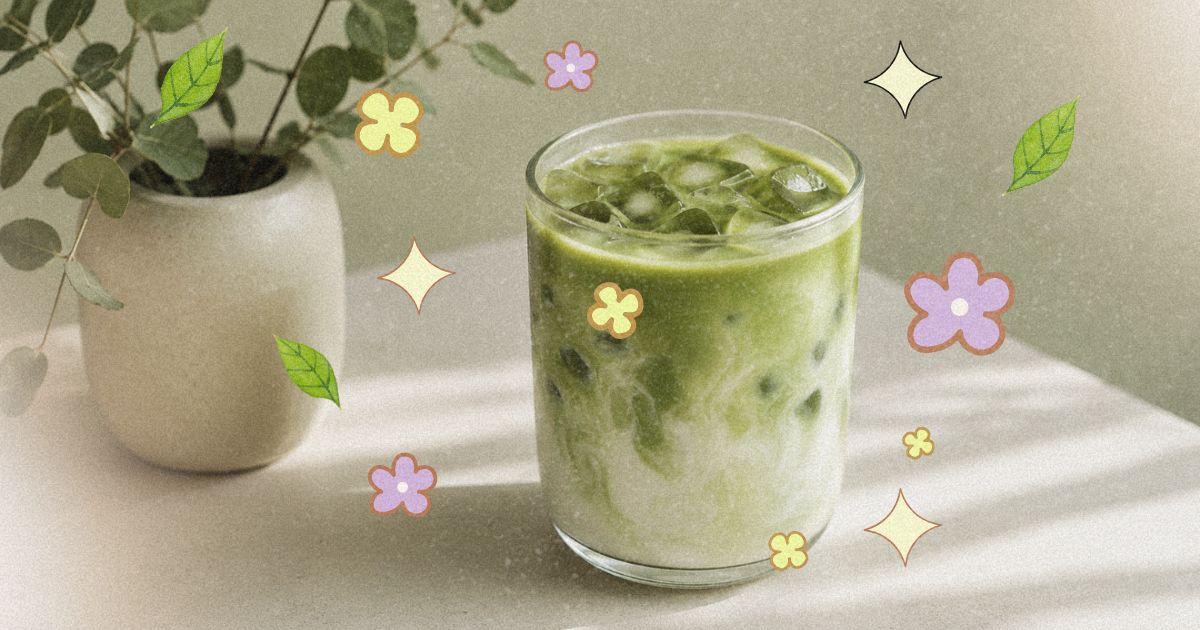
It’s built for the algorithm. Matcha’s pastel green color is unusually photogenic — it pops against neutral backgrounds, café tables, and monochrome outfits in a way coffee just doesn’t. That makes it easy content, which means it gets recommended, which means more people see it and want in.
It fits the “soft life” narrative. Matcha’s calmer caffeine profile (thanks to L-theanine, an amino acid associated with relaxed alertness) fits neatly into a broader shift away from high-intensity productivity culture and toward slower, steadier routines.
It has the right ambassadors. When creators like Emma Chamberlain — someone whose taste basically functions as a Gen Z seal of approval — publicly love something, it stops being a niche habit and starts being a lifestyle signal.
Chains built the visual identity for it. Coffee shops leaning into pastel green branding turned matcha into more than a menu item — it became a whole color-coordinated vibe you could photograph, unofficially nicknamed “the Blank Street girl” look by some corners of the internet: minimal, understated, effortlessly polished.
🍃 Part of the matcha girl appeal is honestly just the props — and a good mug does more work than you’d think. If you’re going to lean into the aesthetic, these are worth having on hand:


Mug sorted, let’s talk about where this color went next — because matcha didn’t stay in the cup for long.
Matcha Green as the Color of 2026
Here’s where it gets interesting for anyone who isn’t even a matcha drinker: the color escaped the cup. Matcha green — somewhere between sage and pistachio — has been flagged by several style forecasters as one of the directional shades for spring/summer 2026, with some drawing a direct line from it to last year’s butter yellow moment. It hasn’t been crowned an official “color of the year” by any single authority (those picks are famously scattered across brands every year), but as a fashion color, it’s showing up consistently enough to count as a real trend rather than a one-off.
Pinterest searches for “matcha outfit” have reportedly jumped hundreds of percent over the past year, and the shade has shown up everywhere from ready-to-wear collections to accessory lines leaning into a calmer, wellness-inspired palette. Unlike a lot of TikTok colors that fade within a season, matcha green seems to be sticking around because it works across skin tones and doesn’t require full commitment — a bag, a cardigan, or a pair of flats is enough to be “in on it.”
Curious enough to actually try it instead of just scrolling past it? A good matcha set makes the whole ritual a lot less intimidating than it looks on camera.

The Part Nobody’s Talking About: Matcha Is Genuinely Running Out
This is the twist that turns matcha girl from “just another trend piece” into something with real stakes. The demand fueling all those green lattes and green outfits is colliding with an actual supply crisis in Japan.
Tencha — the specific shade-grown leaf used to make real matcha — is in short supply, and it has been for a while now. Tea shops in Tokyo have been enforcing one-tin-per-customer purchase limits, and prices for high-grade matcha have climbed dramatically, with some tins that used to run around ¥1,500 now going for over four times that. Japan’s matcha production roughly tripled between 2010 and 2023, but climate volatility, an aging farmer population, and genuinely explosive global demand have outpaced what farms can produce.
The practical fallout for anyone buying matcha now: a lot of what’s labeled “ceremonial grade” online isn’t, and origin verification matters more than it used to. The romantic, aesthetic version of matcha culture is sitting on top of a very real, very strained agricultural supply chain.
A Matcha Day: Is It Genuine or Just Performance?
Fair question, and worth asking honestly instead of pretending everyone drinking matcha is a purist. Some of the appeal is real — a lot of people genuinely prefer matcha’s steadier, less jittery energy to coffee’s spike-and-crash. But a good chunk of the trend is also, transparently, about how the drink photographs. It’s not really possible (or necessary) to separate the two. Trends have always been part taste, part performance — matcha just happens to be an unusually good-looking one.
Where This Goes From Here
Matcha girl doesn’t look like a flash-in-the-pan trend, mostly because it’s not resting on aesthetics alone. It’s stacked on top of a genuine wellness shift away from coffee, a color trend with real staying power in fashion, and a supply story that’s going to keep matcha in headlines regardless of what TikTok does next. Whether you’re fully in on the aesthetic or just matcha-curious, this one has more going on underneath than most “girl” trends before it.
FAQ
What does “matcha girl” mean?
It refers to someone whose lifestyle or aesthetic is built around matcha — the drink, the color, and the associated “soft,” wellness-coded vibe. It’s playful internet shorthand rather than a strict category.
Is matcha green the same as sage green?
They’re closely related but not identical. Matcha green sits between sage and pistachio — slightly warmer and more yellow-toned than a true sage, which is why it reads as fresh rather than muted.
Why is matcha so expensive right now?
A shortage of tencha, the raw shade-grown leaf used to make matcha, has driven prices up sharply in Japan. Demand has grown faster than farms can expand production, and the issue is expected to continue for at least the next few years.
Is matcha healthier than coffee?
Matcha contains caffeine plus L-theanine, an amino acid linked to calmer alertness, which is why many people describe it as a smoother energy source than coffee. That said, “healthier” depends on how it’s prepared — a matcha latte loaded with syrup isn’t automatically a wellness upgrade.
Read More About TikTok Trends

Kinda Chic Trend: The Fashion Edit (6 Ways to Try It)
The “kinda chic” trend celebrates elevating everyday habits into stylish statements, emphasizing simple choices in fashion, skincare, and personal style for a confident, intentional look without requiring extravagance.
Keep reading
Girl Grip Trend: What Brands Need to Know
Girl Grip is the viral trend where people showcase their skills of carrying tons of stuff in one hand—think iced coffee, phones, and lip gloss, all balanced perfectly.…
Keep reading
Corporate Girl Outfits: How to Look Professional Without Sacrificing Comfort
The “corporate girl” trend on TikTok is all about stylish, comfy office wear. It focuses on polished looks that work for long days—think tailored blazers, breathable fabrics, and…
Keep reading